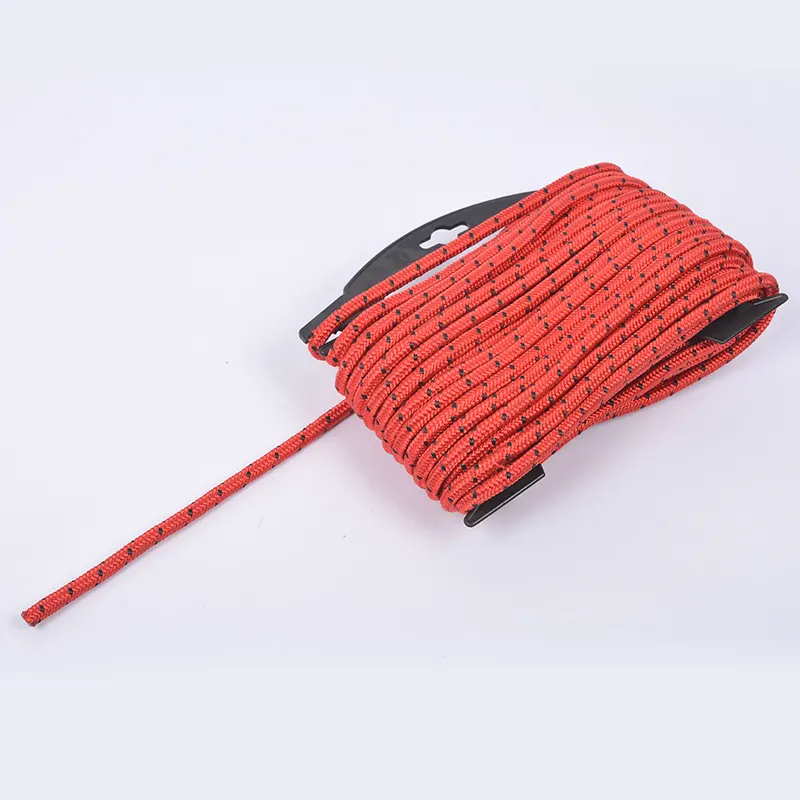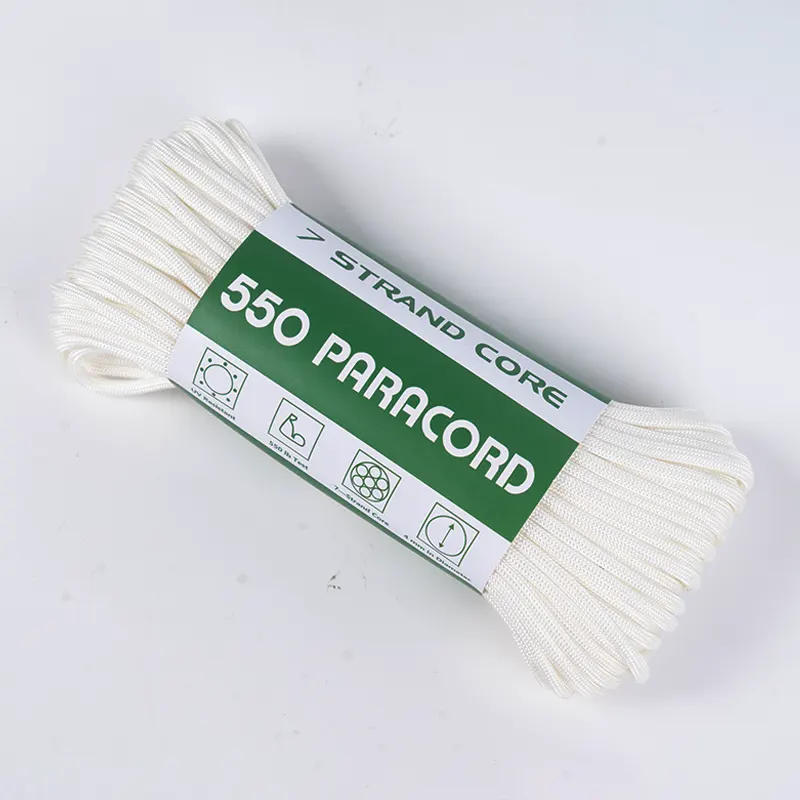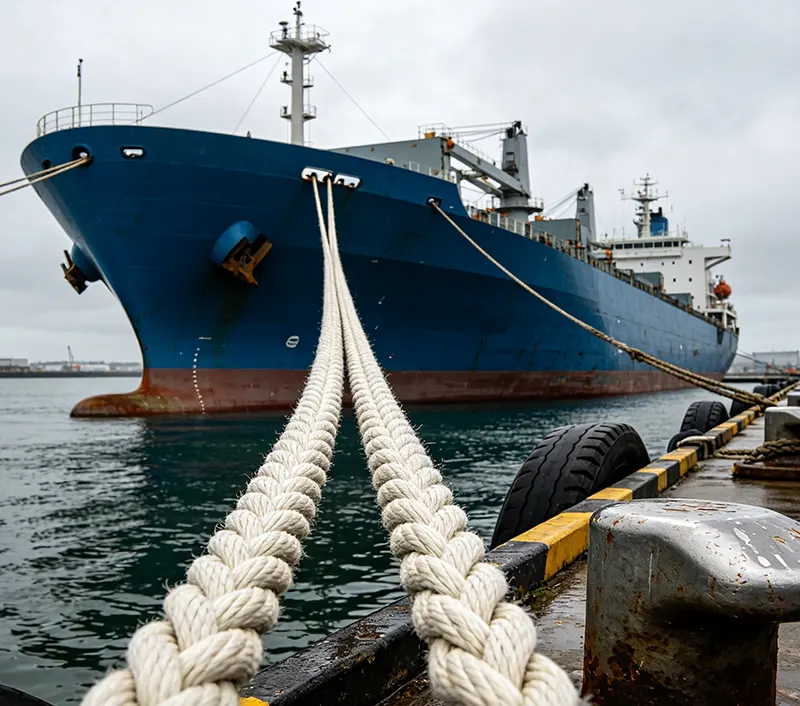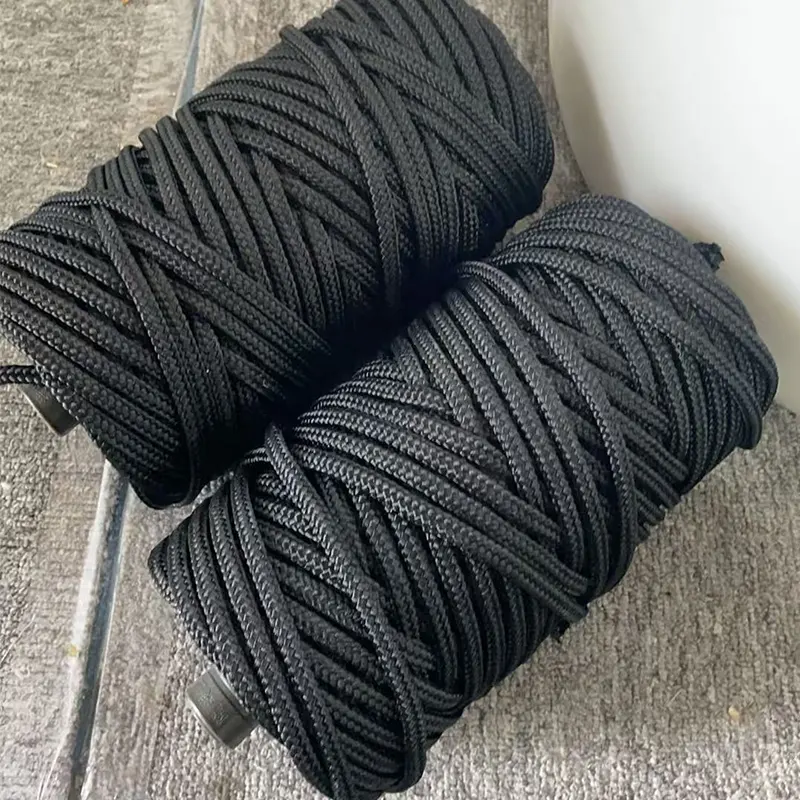

Imagine the scene: a clear morning on a historic canal bridge. A magnet fisher drops their powerful neodymium magnet into the murky water below. After a few moments, the magnet latches onto something solid and heavy. Excitement builds as the fisher begins to haul in the line, hand-over-hand. But then, the rope scrapes against a jagged edge of submerged concrete. There is a sudden jerk, a sinking feeling in the stomach, and the rope goes slack. The magnet, along with whatever treasure was attached, is gone forever, swallowed by the depths. This is not a hypothetical scenario; it is a common tragedy for magnet fishers who have trusted their expensive equipment to a substandard Magnet Fishing Rope.
A quality Magnet Fishing Rope is far more than a simple length of cord. It is a purpose-built piece of outdoor equipment that must withstand immersion in dirty water, abrasion against concrete, sharp metal, and rocks, as well as the constant strain of hauling heavy objects. It must be strong enough to lift a 500 kg load, yet flexible enough to tie securely. It must resist the damaging effects of UV light and chemicals, and it must remain reliable after being wet and dirty. This article will break down the essential features that define a quality Magnet Fishing Rope. We will discuss the critical technical parameters that determine performance, examine the different materials and construction techniques, and provide practical guidance on how to choose the right rope for your needs. Whether you are a seasoned magnet fisher or just starting, this guide will equip you with the knowledge to make an informed decision and keep your equipment—and your finds—secure.
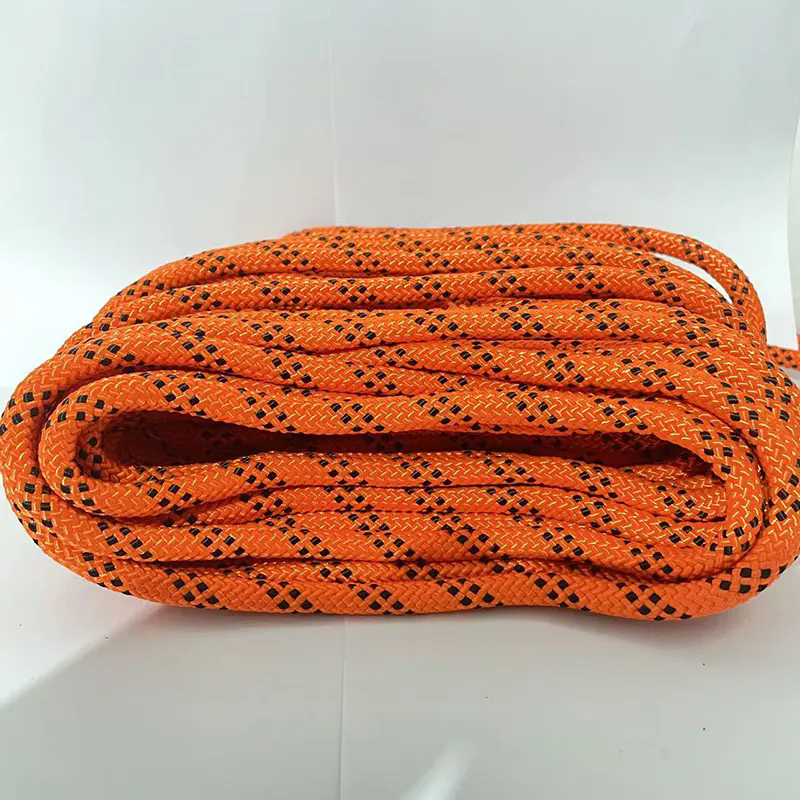
A Magnet Fishing Rope is a specialized type of rope designed specifically for the recreational and hobbyist activity of magnet fishing. Unlike a standard utility rope, a Magnet Fishing Rope must meet a unique set of demanding requirements. It must be attached to a powerful neodymium magnet on one end and held by the user on the other. The rope is repeatedly cast into water, dragged across various underwater surfaces, and used to haul up heavy, often jagged, metallic objects. The environment is harsh: water (fresh or salt), mud, sand, sharp rocks, and debris can quickly degrade a substandard rope. The consequence of a rope failure is not just a lost magnet (which can cost $100 or more), but also the loss of whatever historical artifact or metallic treasure the magnet had found.
The quality of the Magnet Fishing Rope is, therefore, of paramount importance. A high-quality rope will provide a secure and reliable connection between the user and the magnet, giving the user the confidence to pull hard when necessary. It will be durable enough to withstand hundreds of casting and hauling cycles, and it will be resistant to the environmental factors that cause wear and tear. The material, construction, and design of the rope all play critical roles in its performance. In the following sections, we will explore these features in detail, focusing on the technical parameters that define a quality Magnet Fishing Rope and the engineering decisions that distinguish a reliable product from a dangerous one. At T&T Outdoor Goods Co., Ltd., we have been manufacturing ropes for over a decade, and our Magnet Fishing Rope products are designed with these stringent requirements in mind, ensuring that our customers can enjoy their hobby with confidence.
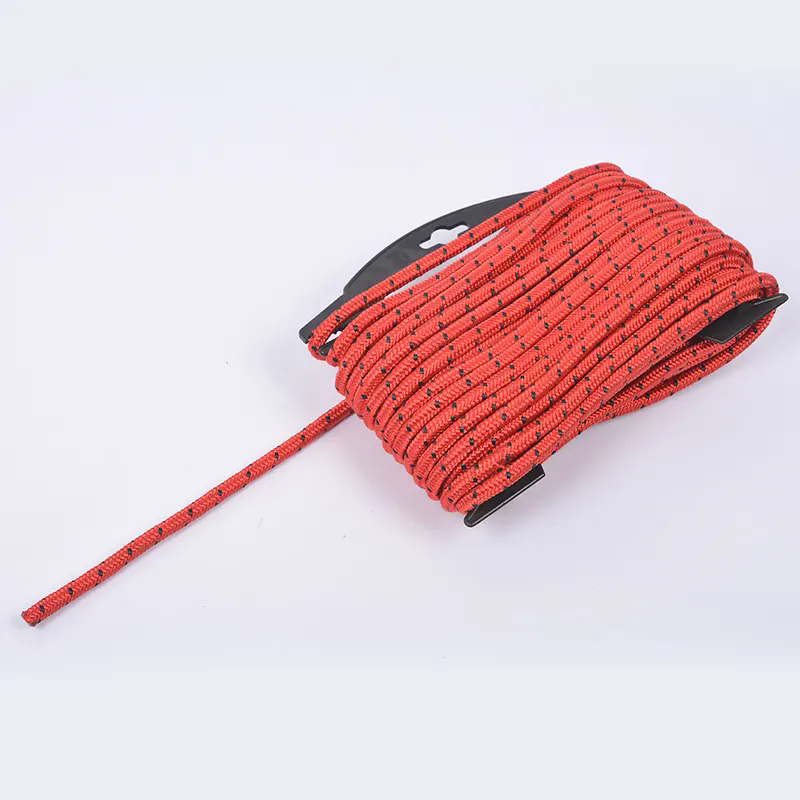
The most critical technical specification for any Magnet Fishing Rope is its strength, measured by its breaking strength or tensile strength. This is the maximum load that the rope can withstand before it fails. However, a common mistake made by novice magnet fishers is to assume that the rope's breaking strength only needs to be slightly higher than the pulling force of the magnet. This can be a dangerous miscalculation. The force required to pull an object free from the bottom of a river or canal is often several times greater than the weight of the object itself due to suction, mud adhesion, and friction. Additionally, a shock load (a sudden jerk on the rope) can generate forces far higher than a static pull.
As a general rule, the breaking strength of a Magnet Fishing Rope should be at least 3 to 5 times the advertised pulling force of the magnet. For example, if you are using a 300 kg (660 lb) pull force magnet, your Magnet Fishing Rope should have a breaking strength of at least 900 kg (2000 lb). A rope with a breaking strength of 1200 kg (2600 lb) or more would be even better, providing a much greater margin of safety. This safety margin is not just for hauling heavy objects; it also accounts for the degradation of the rope over time due to abrasion and UV exposure. A new rope may have a breaking strength of 1000 kg, but after a year of regular use, that strength may be reduced by 20-30%. If the initial rope was only rated at 500 kg, it may now be dangerously weak.
The table below illustrates the recommended minimum breaking strength for Magnet Fishing Rope based on the magnet's pulling force.
| Magnet Pull Force (kg) | Recommended Rope Breaking Strength (kg) | Safety Margin |
| 100 kg | 350 kg minimum | 3.5x |
| 200 kg | 600 kg minimum | 3x |
| 300 kg | 900 kg minimum | 3x |
| 500 kg | 1500 kg minimum | 3x |
| 800 kg | 2000 kg minimum | 2.5x |
| 1000 kg | 3000 kg minimum | 3x |
It is also important to distinguish between breaking strength and working load limit (WLL). The WLL is the maximum load that the rope is designed to handle on a regular basis. A typical safety factor is 5:1, meaning that the WLL is 1/5 of the breaking strength. For a rope with a breaking strength of 1500 kg, the WLL would be 300 kg. This is the load that can be lifted repeatedly without significantly reducing the rope's life. At T&T Outdoor Goods Co., Ltd., our Magnet Fishing Rope products are tested to rigorous standards to ensure that the breaking strength we advertise is accurate and reliable. We recommend that our customers always err on the side of a higher breaking strength than the minimum required, as the extra strength provides a comfortable safety buffer for the unexpected demands of real-world magnet fishing.
The material and construction of a Magnet Fishing Rope are the primary determinants of its durability, strength, and overall performance. There are several different materials commonly used in rope manufacturing, each with its own set of advantages and disadvantages for magnet fishing. The most common materials are nylon (polyamide), polyester, polypropylene, and UHMWPE (Ultra-High Molecular Weight Polyethylene, also known as Dyneema or Spectra). Each material has a unique profile of strength, abrasion resistance, water absorption, UV resistance, and cost.
Nylon is one of the most widely used rope materials due to its excellent strength and elasticity. The elasticity of nylon is both a pro and a con: it absorbs shock loads effectively, which can be beneficial when hauling a heavy object that is stuck. However, the same elasticity means that nylon rope stretches significantly under load, which can be undesirable. Nylon also absorbs water, which can reduce its strength by up to 15% when wet and increases the rope's weight. For magnet fishing, this water absorption is a significant disadvantage. Polyester is a better option for magnet fishing. It has excellent strength, excellent abrasion resistance, very low water absorption (less than 0.5%), and good UV resistance. It does not stretch as much as nylon, providing a more direct feel when hauling. For these reasons, polyester is often the preferred material for Magnet Fishing Rope.
Polypropylene is a lightweight, inexpensive material that floats on water, making it easy to retrieve if dropped. However, it has relatively low strength and poor UV resistance, making it less suitable for the demands of magnet fishing. UHMWPE is the strongest rope material available, with a strength-to-weight ratio that is significantly higher than steel. It is also very abrasion-resistant and has low water absorption. However, UHMWPE is expensive, has very low stretch (which can be a disadvantage in shock-load situations), and can be difficult to tie into secure knots because of its slick surface. While UHMWPE is an excellent material for some applications, it is not always the best choice for magnet fishing.
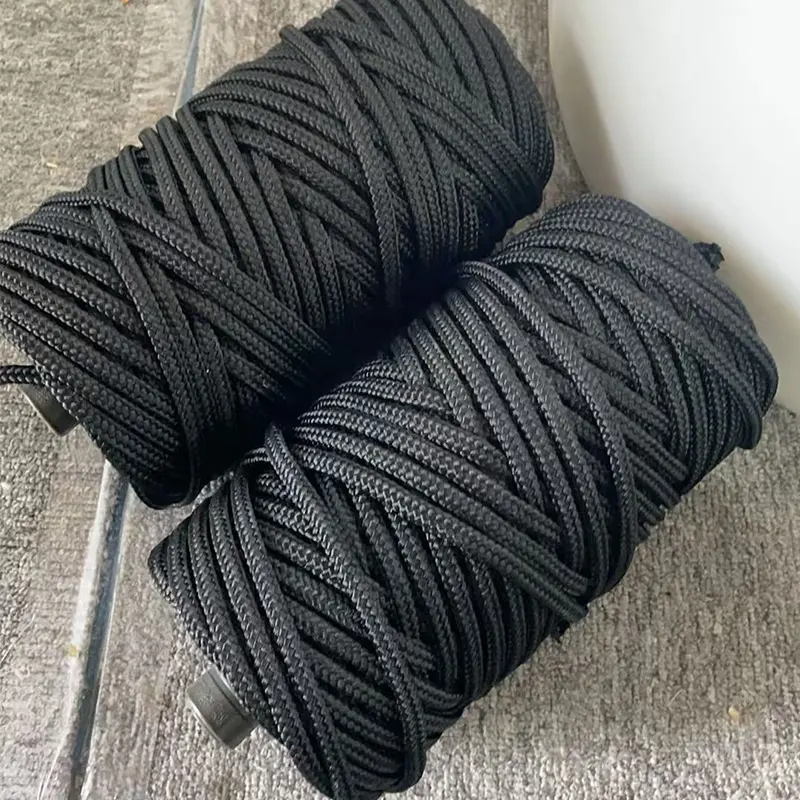
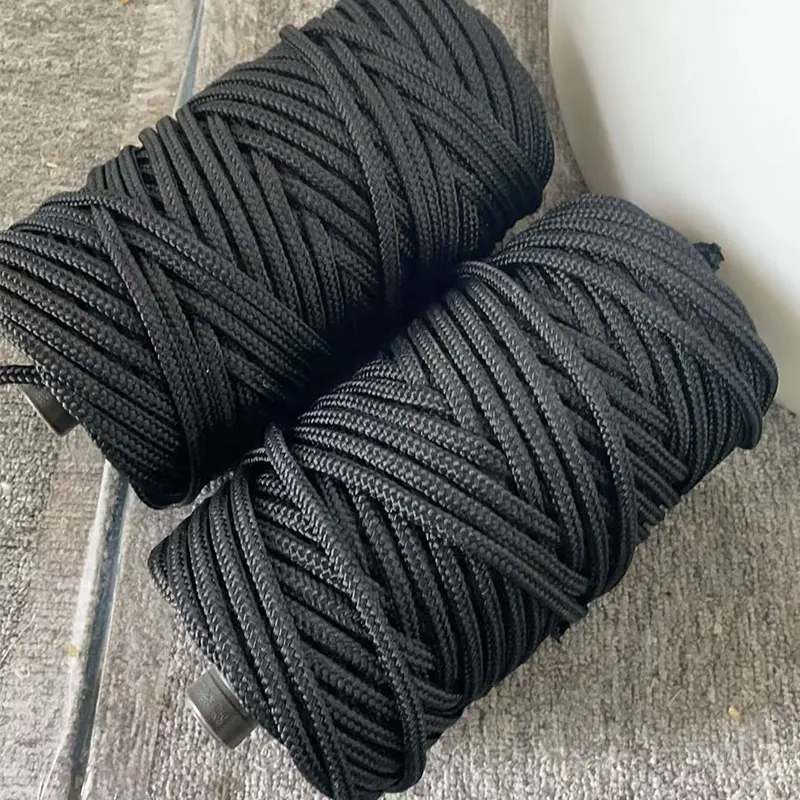
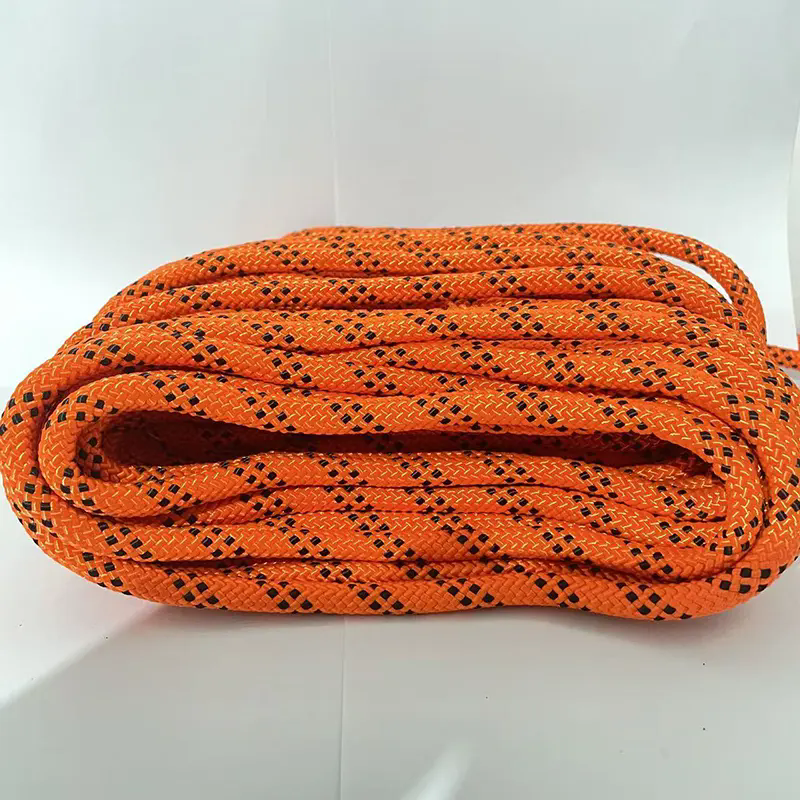
The construction of the rope also plays a crucial role in its performance. A Magnet Fishing Rope should be a braided rope, rather than a twisted (laid) rope. Braided ropes are stronger, more flexible, and more resistant to kinking and twisting. A tightly braided rope with a high "cover" (the percentage of the rope's surface that is covered by the braid) is more resistant to abrasion. For magnet fishing, a rope with a denser braid and a smoother surface will last longer and be less likely to snag on underwater obstacles. Our factory at T&T Outdoor Goods Co., Ltd. uses a high-density braiding process for our Magnet Fishing Rope, ensuring a smooth, durable surface that provides excellent strength and abrasion resistance while maintaining the flexibility needed for easy handling and knot tying.
The two most significant environmental threats to the longevity of a Magnet Fishing Rope are abrasion and UV degradation. A Magnet Fishing Rope is repeatedly dragged against concrete bridge pillars, rocks, metal debris, and other abrasive surfaces. Over time, this friction can wear away the rope's outer fibers, reducing its strength and eventually leading to failure. Similarly, prolonged exposure to sunlight, especially during summer months, can cause the polymer chains in the rope's fibers to break down, weakening the rope and making it brittle. This process is accelerated if the rope is left out in the sun for extended periods between uses.
The abrasion resistance of a rope is determined by several factors: the material, the braid density, and the presence of any protective coatings or treatments. Polyester, as mentioned earlier, offers good abrasion resistance, particularly when compared to nylon. A tighter, denser braid provides a more robust surface that resists wear. Some Magnet Fishing Rope products feature a protective coating or treatment that further enhances abrasion resistance. For example, some ropes are coated with a thin layer of polyurethane or a similar material that provides a sacrificial surface that wears away before the rope's core fibers are damaged. While these coatings can be effective, they can also make the rope stiffer and harder to handle.
UV protection is typically achieved by incorporating additives into the rope's fibers during the manufacturing process. These additives, such as carbon black or UV stabilizers, absorb or reflect UV radiation, preventing it from degrading the polymer chains. The level of UV protection provided by a rope is often referred to as its "lightfastness." A rope that is not UV-stabilized can lose a significant portion of its strength after just a few weeks of continuous sun exposure. When selecting a Magnet Fishing Rope, it is important to check if the product is described as "UV-resistant" or "UV-stabilized." At T&T, our Magnet Fishing Rope is manufactured with UV-stabilized polyester fibers, ensuring that the rope maintains its strength and integrity even after extended periods in the sun. We also conduct regular abrasion tests to ensure our rope's resistance to wear meets our high standards.
To extend the life of a Magnet Fishing Rope, we recommend the following practices: rinse the rope with fresh water after each use, especially if used in saltwater; inspect the rope regularly for signs of abrasion or damage, particularly around the connection points; store the rope in a cool, dry place away from direct sunlight; and consider purchasing a rope that includes a carabiner or other attachment point that reduces wear on the rope's fibers at the connection point.
The connection between the Magnet Fishing Rope and the magnet is the most critical point in the entire setup. A failure at this point is just as catastrophic as a rope failure. Therefore, the design of the connection system is of paramount importance. The connection must be strong, secure, and designed in a way that minimizes wear on the rope. There are several types of connection systems commonly used on Magnet Fishing Rope, each with its own set of advantages and disadvantages.
The most common connection systems for Magnet Fishing Rope are the sewn loop (also known as a spliced eye or stitched eye) and the tied knot. The sewn loop is widely considered to be the superior connection method for magnet fishing. In this method, a loop is formed at the end of the rope, and the overlapping sections are stitched together with a high-strength, UV-resistant thread. This creates a permanent, secure loop that does not rely on a knot. The sewn loop is strong, often retaining 90-100% of the rope's original breaking strength. It is also smooth, reducing the chance of snagging. However, a sewn loop requires specialized equipment and expertise to create. The tied knot is a more common, simpler solution. However, knots can reduce the rope's breaking strength by 30-50%, depending on the type of knot used. The "figure-eight" knot is considered the strongest knot for rope, but even it will reduce strength. The tied knot can also be bulky and is more likely to snag. For these reasons, the sewn loop is the preferred method for serious magnet fishers.
The other key component of the connection system is the hardware that attaches the rope to the magnet. This typically involves a stainless steel screw eye or an eye bolt that is threaded directly into the magnet's tapped hole. The sewn loop of the rope is then passed through the eye. To prevent wear on the rope from constant rubbing against the eye, a thimble is often used. A thimble is a small, U-shaped metal piece that is placed inside the sewn loop to protect the rope from the abrasive edge of the eye. Some Magnet Fishing Rope products feature a carabiner at the end, which provides a quick and easy way to attach the magnet. While convenient, the carabiner must be of high quality (load-rated) to ensure it can handle the loads generated during magnet fishing. At T&T Outdoor Goods Co., Ltd., our Magnet Fishing Rope products feature a robust sewn loop connection system with a stainless steel thimble and a load-rated screw gate carabiner, ensuring a secure and reliable connection between the rope and the magnet.
The table below compares the different connection systems commonly used for Magnet Fishing Rope.
| Connection Type | Strength | Ease of Use | Durability |
| Sewn Loop with Thimble | Excellent (90-100% of rope strength) | Excellent (pre-formed) | Excellent (protected from abrasion) |
| Figure-Eight Knot | Good (60-70% of rope strength) | Good (requires knot tying skill) | Moderate (subject to wear and loosening) |
| Clove Hitch + Backup | Moderate (50-60% of rope strength) | Moderate (requires knot tying skill) | Moderate (subject to wear and loosening) |
| Double Fisherman's Knot | Good (60-70% of rope strength) | Moderate (requires knot tying skill) | Good (secure when properly tied) |
| Carabiner Connection | Depends on carabiner rating | Excellent (quick and easy) | Depends on carabiner quality |
With so many options available, selecting the right Magnet Fishing Rope can be a daunting task. The choice depends on several factors, including the type of magnet you are using, the environment in which you will be fishing, your budget, and your personal preferences. To help you make an informed decision, we have developed a selection framework that considers the key variables and matches them to the appropriate product features. The first consideration is the pulling force of your magnet, which determines the required breaking strength of the rope. As a general rule, the breaking strength of the rope should be at least 3 times the magnet's pulling force. For example, a 500 kg magnet requires a rope with a minimum breaking strength of 1500 kg. Next, consider the environment: will you be fishing in fresh water or saltwater? Saltwater is more corrosive, so a rope with saltwater resistance is important. Will you be fishing in an area with many sharp rocks and debris? If so, a rope with high abrasion resistance is essential.
The length of the Magnet Fishing Rope is another important factor. A longer rope allows you to reach deeper water, but it is heavier and more cumbersome to carry. For beginners, a rope of 20-30 meters is generally adequate. More experienced fishers may prefer a 50-meter rope for deeper water. The thickness of the rope, typically measured in millimeters, is also a factor to consider. A thicker rope is generally stronger, but it is also heavier, bulkier, and more expensive. For most magnet fishing applications, a rope with a diameter of 6-8 mm is an excellent balance of strength and handling. The choice of connection system is the final major decision. For the most secure and durable connection, a sewn loop with a thimble is the best option.
To make the selection process more straightforward, we have compiled the following comparison table, which matches typical magnet fishing scenarios with the recommended Magnet Fishing Rope features.
| User Profile | Magnet Pull Force | Recommended Rope Breaking Strength | Recommended Rope Material | Recommended Length | Recommended Connection |
| Beginner, light use | 100-200 kg | 350-600 kg | Polyester | 20 m | Sewn loop with thimble |
| Enthusiast, regular use | 300-500 kg | 900-1500 kg | Polyester or UHMWPE | 30-50 m | Sewn loop with thimble + carabiner |
| Professional, heavy loads | 500-1000 kg | 2000-3000 kg | UHMWPE or high-grade polyester | 50-100 m | Sewn loop with thimble + load-rated carabiner |
| Marine/saltwater use | Any | As per table above | Polyester or UHMWPE | As per table above | Sewn loop with stainless steel thimble |
At T&T , our Magnet Fishing Rope products are designed to meet the needs of all types of magnet fishers, from beginners to experienced professionals. We offer a range of lengths, strengths, and materials, all equipped with secure sewn loop connections. Our knowledgeable team is always available to help you select the perfect rope for your specific needs.
Question 1: What breaking strength should my magnet fishing rope have relative to my magnet's pulling force?
Answer: As a general rule, your Magnet Fishing Rope should have a breaking strength that is at least 3 to 5 times the pulling force of your magnet. For example, if you are using a 300 kg magnet, your rope should have a breaking strength of at least 900 kg (2700 lb). This safety margin accounts for the fact that the force required to pull objects from the bottom can be much higher than their weight due to suction and mud adhesion. It also provides a buffer against wear and tear over time. Our factory at T&T Outdoor Goods Co., Ltd. recommends a 5:1 safety ratio for maximum safety.
Question 2: What is the best material for a magnet fishing rope, polyester or nylon?
Answer: For most magnet fishing applications, polyester is the superior material choice over nylon. Polyester has excellent strength, excellent abrasion resistance, very low water absorption, and good UV resistance. Nylon, while strong, absorbs water (which can reduce its strength by up to 15% and increase its weight), and its elasticity, while beneficial for shock absorption, can make hauling less direct. Polyester is the preferred material for Magnet Fishing Rope, and it is the material we use at T&T Outdoor Goods Co., Ltd.
Question 3: How can I tell if my magnet fishing rope is worn and needs to be replaced?
Answer: Inspect your Magnet Fishing Rope regularly for signs of wear. Look for frayed or broken fibers, discoloration (which may indicate UV damage), or a fuzzy appearance. Pay particular attention to the area where the rope connects to the magnet, as this is the point of highest stress. If you see any significant damage, or if the rope feels brittle or stiff, it is time to replace it. As a general rule, replace your Magnet Fishing Rope every 1-2 years, depending on the frequency of use and the environments you fish in.
Question 4: Can I tie a knot to attach my magnet fishing rope to my magnet, or do I need a sewn loop?
Answer: While you can tie a knot to attach your Magnet Fishing Rope to your magnet, a sewn loop is the superior and safer option. A knot can reduce the rope's breaking strength by 30-50%, creating a critical weak point. A sewn loop retains 90-100% of the rope's strength and is protected from abrasion by a thimble. For these reasons, we strongly recommend a sewn loop connection. All our Magnet Fishing Rope products at T&T Outdoor Goods Co., Ltd. feature a professionally sewn loop with a thimble.
Question 5: Does a magnet fishing rope get heavier when wet, and does that affect its performance?
Answer: Yes, a Magnet Fishing Rope can absorb water and become heavier, depending on the material. Nylon rope can absorb up to 15% of its weight in water, making it significantly heavier to haul. Polyester absorbs very little water (less than 0.5%), so it remains lightweight even when wet. The increased weight of a waterlogged rope can make it more difficult to throw and retrieve. This is another reason why polyester is a superior material for Magnet Fishing Rope.
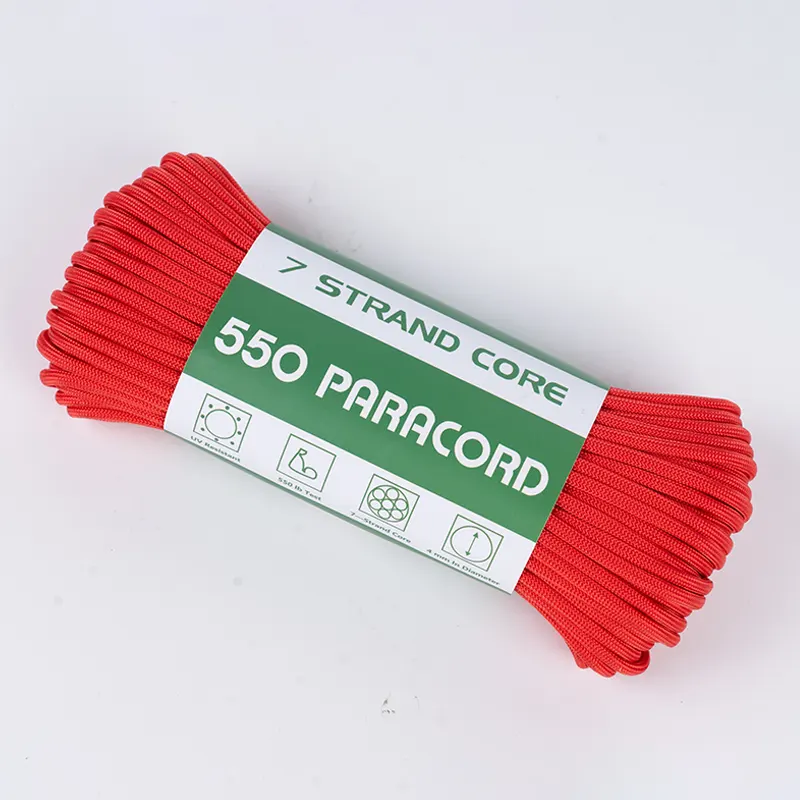
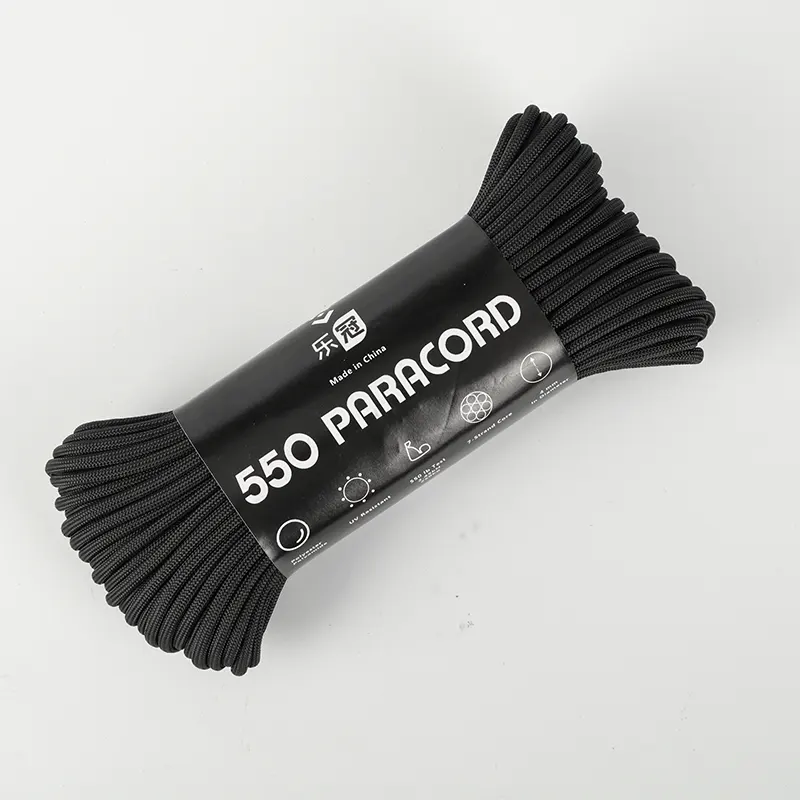
T&T Outdoor Goods Co., Ltd. is a specialized braided rope manufacturer located in Taizhou, Jiangsu Province, China. Founded in 2011, we began our journey producing high-quality 550 paracord ropes and have since expanded our expertise to include outdoor ropes, tent ropes, pet ropes, and, of course, Magnet Fishing Rope. With over a decade of experience in the braided rope industry, we combine professional weaving technology, production expertise, and rigorous quality control to deliver consistent and reliable rope products for a wide range of applications.
At T&T Outdoor, we understand that the quality of our Magnet Fishing Rope directly impacts the safety and success of our customers. That is why we use only the finest materials and employ advanced braiding techniques to produce ropes that meet the most demanding requirements. We are proud to be a trusted rope supplier for global customers who rely on our products for their hobbies, outdoor adventures, and professional needs.

Selecting the right Magnet Fishing Rope is a critical decision that directly impacts your safety, success, and overall enjoyment of the sport. A quality rope must possess the right combination of strength, material, durability, and connection systems to withstand the demanding environments of magnet fishing. We have explored the key features that define a quality Magnet Fishing Rope: sufficient breaking strength (at least 3-5 times the magnet's pull force), durable materials (polyester is the preferred choice), high abrasion resistance and UV protection, and secure connection systems (a sewn loop with a thimble is the gold standard). By considering these factors and matching them to your specific needs and budget, you can select a Magnet Fishing Rope that will serve you reliably for years.
T&T Outdoor Goods Co., Ltd. is dedicated to providing high-quality Magnet Fishing Rope that embodies all these essential features. Our ropes are manufactured using premium materials, advanced braiding techniques, and rigorous quality control, ensuring that each product meets the highest standards of performance and reliability. Whether you are a seasoned magnet fisher seeking a new rope or a beginner looking for your first setup, T&T Outdoor Goods Co., Ltd. has the perfect Magnet Fishing Rope for you. Explore our range today and experience the confidence that comes from knowing your equipment is built to last. Contact T&T Outdoor Goods Co., Ltd. today to learn more about our premium Magnet Fishing Rope products and how they can enhance your next magnet fishing adventure.