
Article Summary: Magnet fishing is an outdoor activity that combines exploration, metal recovery, and practical retrieval techniques. However, the performance of a magnet is only as reliable as the rope connecting it to the user. A properly selected Magnet Fishing Rope can improve pulling control, reduce unnecessary stretch, withstand abrasion, and make repeated recovery work more manageable. This guide explains the key characteristics of a reliable rope, how to select the right diameter, length, and material, how to maintain it, and what buyers should consider when sourcing magnet fishing rope for personal use, retail, or bulk supply.
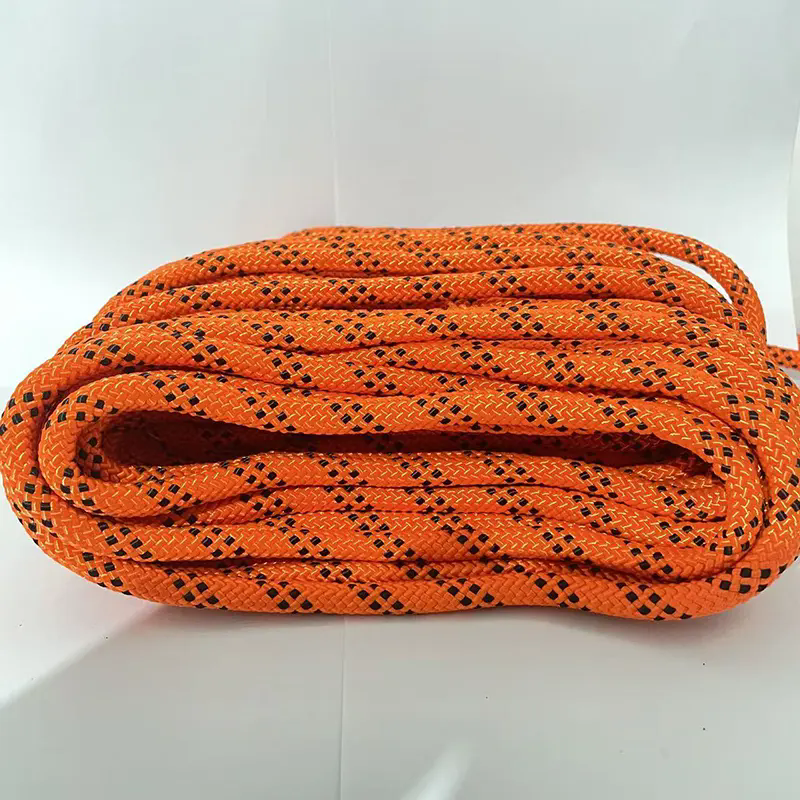
Magnet fishing may look simple: attach a magnet to a rope, throw it into the water, and retrieve whatever the magnet catches. In practice, the rope is exposed to considerably more stress than an ordinary utility line.
When a magnet connects with a submerged metal object, the pulling force can change quickly. The rope may also encounter rocks, concrete edges, submerged branches, metal structures, mud, and other abrasive surfaces. Water, repeated coiling, casting, pulling, and storage can further affect its long-term condition.
This is why choosing a purpose-oriented Magnet Fishing Rope is important. A suitable rope should provide a practical balance between tensile strength, abrasion resistance, flexibility, elongation, handling comfort, and environmental durability.
For recreational users, the right rope can make an outing easier and more predictable. For retailers and outdoor equipment brands, consistent rope quality is equally important because rope performance directly influences the usability of the complete magnet fishing kit.
Not every rope is designed for the same working conditions. A reliable magnet fishing rope should be selected according to the actual recovery environment rather than simply choosing the cheapest available option.
The ideal specification depends on the magnet, target object, water depth, recovery method, and expected frequency of use.
Fiber selection has a direct influence on how a rope behaves during outdoor recovery. Two commonly considered materials are polyester and nylon, but they do not provide exactly the same performance characteristics.
Polyester is attractive for outdoor applications because it generally provides good resistance to sunlight and moisture while maintaining relatively low stretch. These characteristics make polyester particularly useful when users want stable handling and predictable pulling behavior.
Nylon is known for its elasticity and ability to absorb shock. This can be useful in situations where dynamic loading is expected. However, its higher stretch characteristics mean that it can feel different during pulling compared with a low-stretch polyester rope.
| Characteristic | Polyester Rope | Nylon Rope | Practical Consideration |
|---|---|---|---|
| Stretch | Relatively low | Higher | Choose according to desired pulling response |
| UV Resistance | Generally strong | Good, but application dependent | Important for outdoor storage and frequent use |
| Moisture Behavior | Low moisture absorption | Higher moisture absorption | Relevant for wet environments |
| Shock Absorption | Moderate | Excellent elasticity | Consider dynamic pulling conditions |
| Handling | Stable and manageable | Flexible and resilient | Both can be suitable with correct construction |
For many magnet fishing applications, polyester is an attractive option when low stretch, outdoor durability, and abrasion resistance are priorities. T&T Outdoor offers polyester-based magnet fishing rope solutions designed around these requirements.
Diameter is one of the most important specifications when purchasing a Magnet Fishing Rope. A thicker rope is not automatically the best choice, because additional diameter also means greater weight, bulk, and storage requirements.
A smaller rope may be easier to carry and manipulate, especially for casual users. A larger diameter can provide greater strength and a more substantial grip, which may be valuable for heavier magnets and demanding recovery tasks.
When selecting diameter, consider:
For example, T&T Outdoor provides double-braided polyester options in different diameters, including 6 mm and 8 mm configurations. The appropriate choice should be based on the complete application rather than diameter alone.
Rope length should correspond to the environment in which magnet fishing will take place. A rope that is too short limits the usable recovery area, while an unnecessarily long rope can create additional storage, handling, and tangling challenges.
Consider the following factors:
| Application Factor | Effect on Rope Selection |
|---|---|
| Water Depth | Deeper locations generally require more working length. |
| Casting Distance | Longer casting distances increase the amount of rope required. |
| Recovery Area | Large search zones may benefit from additional rope length. |
| Transport | Long ropes require efficient coiling and storage. |
| Frequency of Use | Frequent users may benefit from a dedicated length matched to their regular locations. |
For manufacturers and distributors, customized rope lengths can be especially useful because different markets may prefer different configurations.
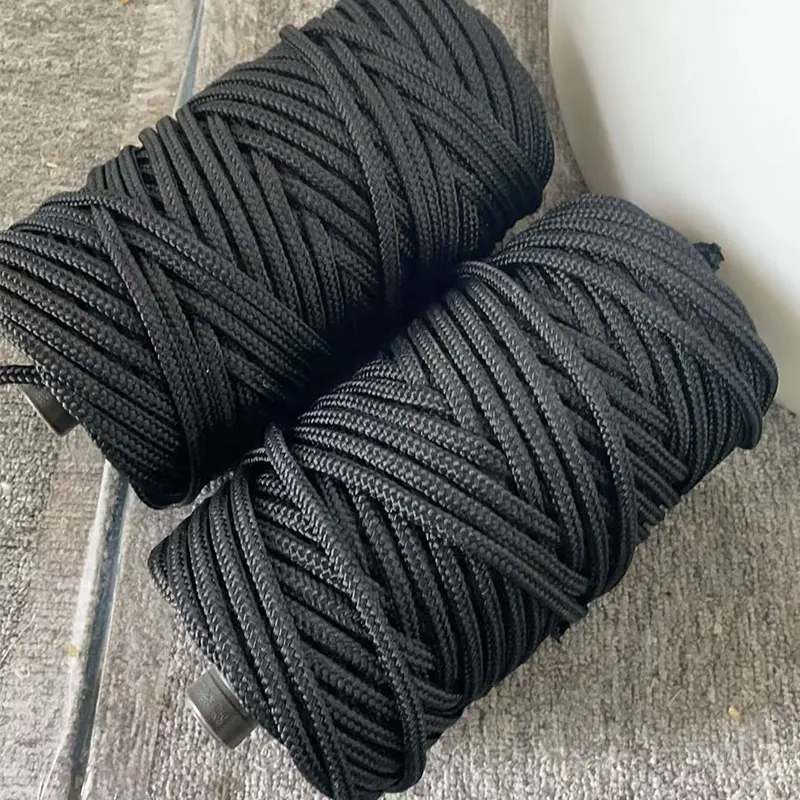
Rope construction affects strength, flexibility, surface behavior, and service life. For magnet fishing, braided structures can provide a useful combination of strength and handling characteristics.
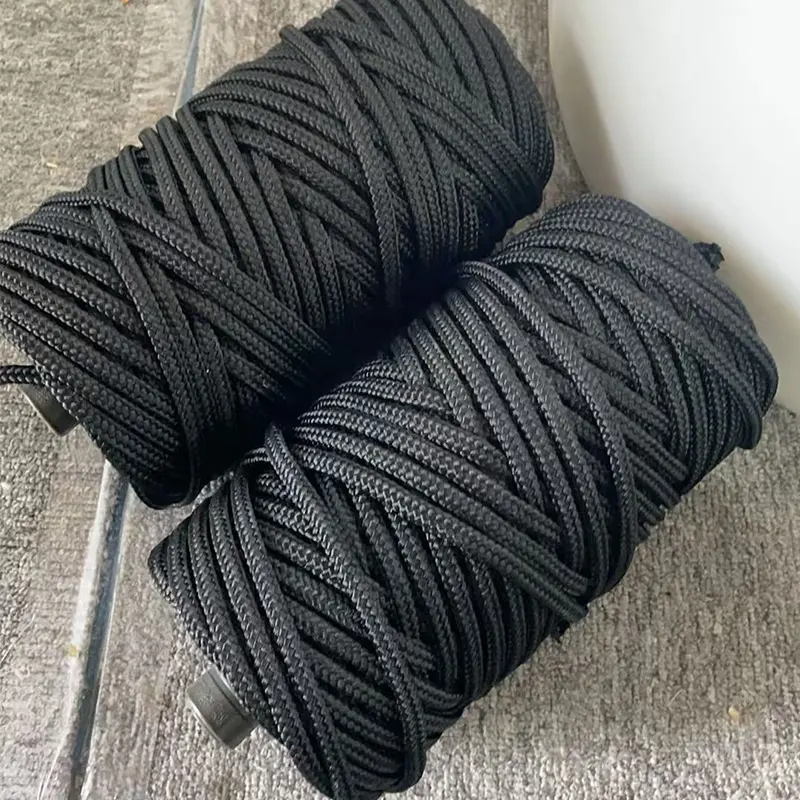
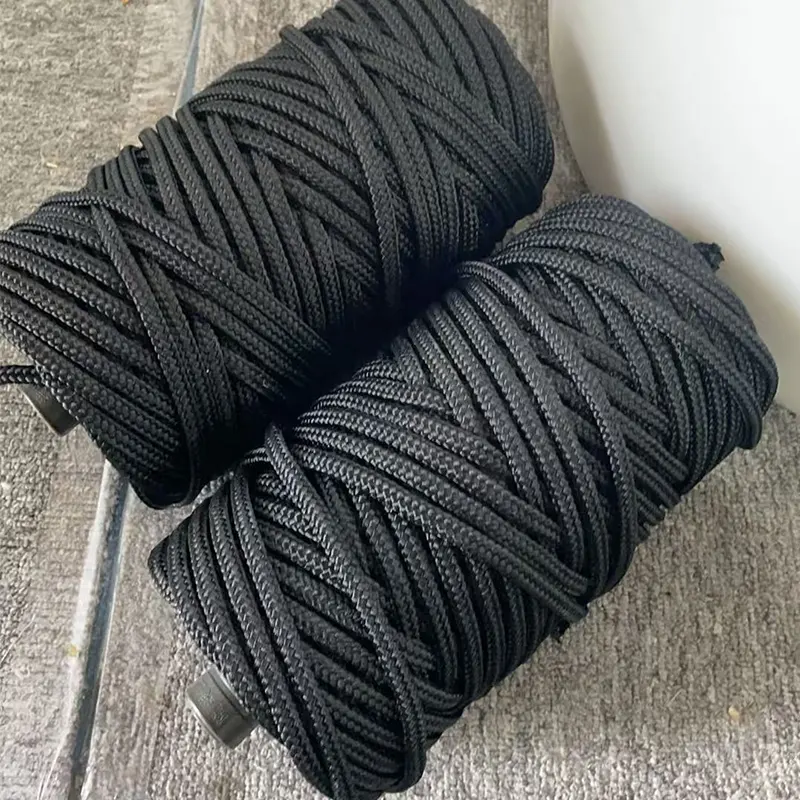
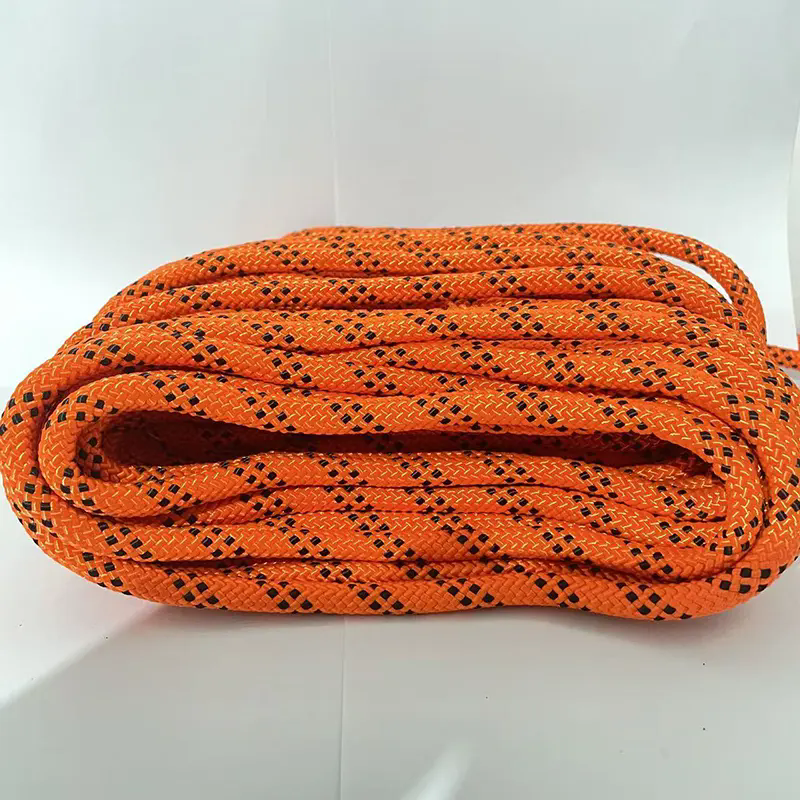
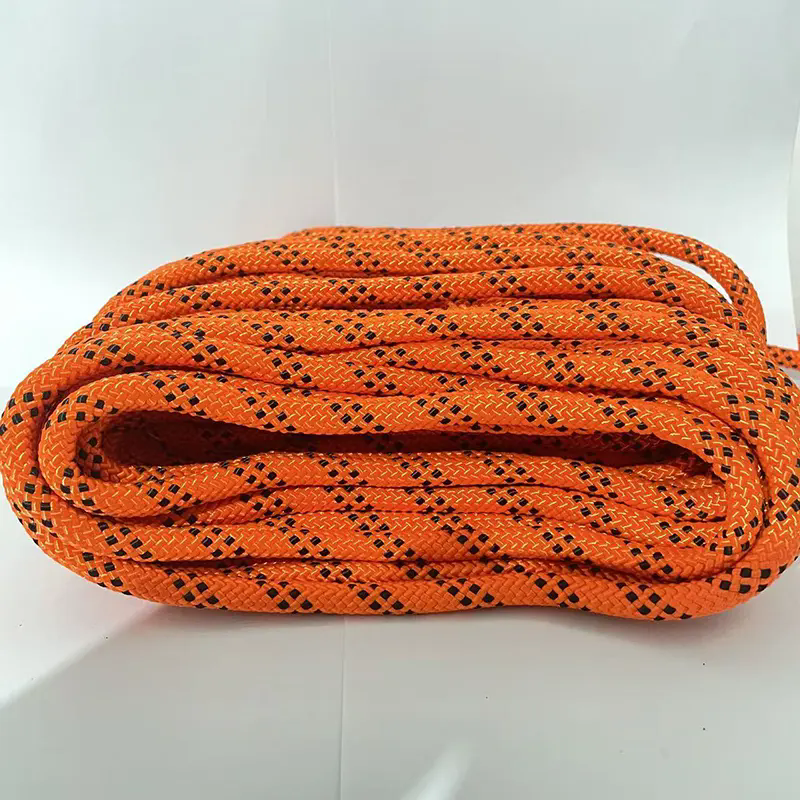
A double-braided construction consists of an inner braided core and an outer braided cover. This structure can provide a balanced combination of strength, flexibility, abrasion resistance, and dimensional stability.
This is particularly relevant when a rope repeatedly contacts rough surfaces. Instead of treating the rope as a simple connection between the user and magnet, it should be considered part of the recovery system.
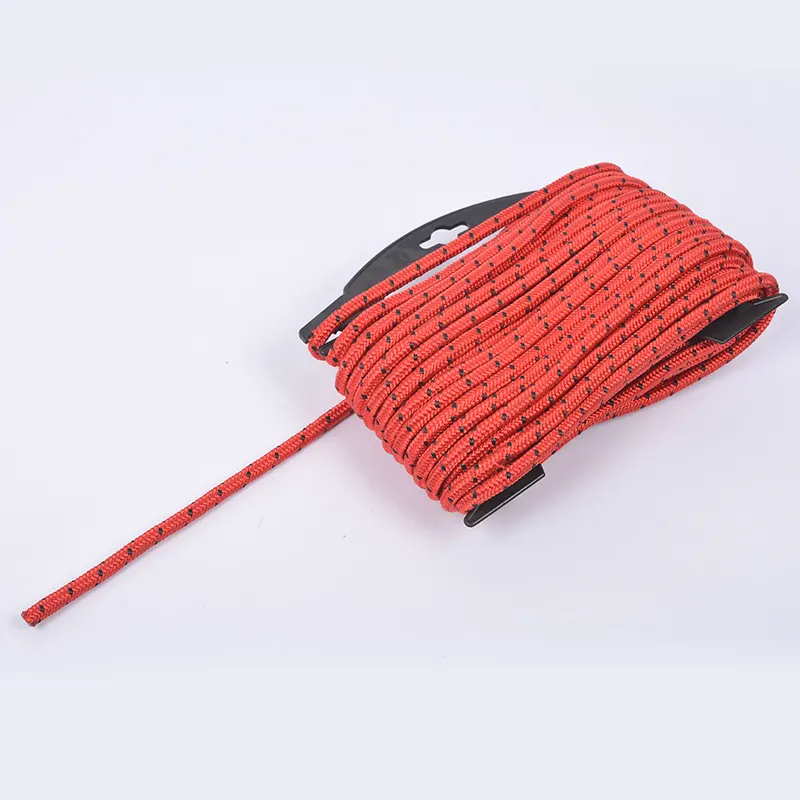
T&T Outdoor's 6 mm and 8 mm double-braided polyester Magnet Fishing Rope products are designed around applications requiring low stretch and resistance to outdoor wear. The product page also identifies characteristics such as UV protection and rot resistance as part of the rope's intended outdoor performance.
Although the name suggests a single application, magnet fishing rope can support several outdoor recovery scenarios.
Users should always comply with local laws, waterway rules, property restrictions, and safety requirements before attempting any recovery activity.
| Requirement | Recommended Consideration | Why It Matters |
|---|---|---|
| Heavy Magnet | Higher-strength rope construction | Helps manage greater pulling loads |
| Frequent Outdoor Use | Durable, abrasion-resistant fiber | Helps withstand repeated exposure and friction |
| Low Stretch Requirement | Polyester rope | Provides more predictable pulling behavior |
| Dynamic Pulling | Consider rope elasticity and construction | Can influence shock absorption and handling |
| Deep Water | Appropriate additional rope length | Provides sufficient working distance |
| Retail Product | Consistent specifications and packaging | Supports easier product positioning and distribution |
| Private Label | Custom diameter, length, color, and packaging | Allows differentiation for specific markets |
Even a high-quality rope requires appropriate handling. Good operating practices can reduce unnecessary wear and improve the overall recovery experience.
These simple habits are especially valuable for users who fish frequently or operate in locations with rough underwater structures.
Rope durability is influenced not only by fiber and construction but also by maintenance. A rope that is stored wet, exposed to unnecessary chemicals, or repeatedly dragged across sharp surfaces can deteriorate faster than expected.
A practical maintenance routine includes:
Proper care does not eliminate wear, but it can help users identify problems before a damaged rope becomes a larger operational concern.
For wholesalers, distributors, outdoor brands, and retailers, purchasing magnet fishing rope is different from selecting a single rope for personal use. Consistency, packaging, customization, and supply stability become important considerations.
A customized rope project may involve:
Before placing a bulk order, buyers should define the intended magnet size, target market, expected usage conditions, packaging requirements, and desired product specifications. Clear requirements allow the manufacturer to recommend a more suitable construction instead of treating every project as a standard rope order.
T&T Outdoor focuses on braided rope manufacturing and customized rope development. According to the company's product information, its manufacturing experience dates back to 2011, with production covering rope weaving, quality inspection, and customized development.
For buyers looking for Magnet Fishing Rope, this manufacturing focus can be valuable because the rope specification can be developed around the actual application rather than selected solely from generic utility-rope categories.
T&T Outdoor provides Magnet Fishing Rope solutions for outdoor users as well as wholesalers, distributors, fishing accessory businesses, tool suppliers, and outdoor product brands.
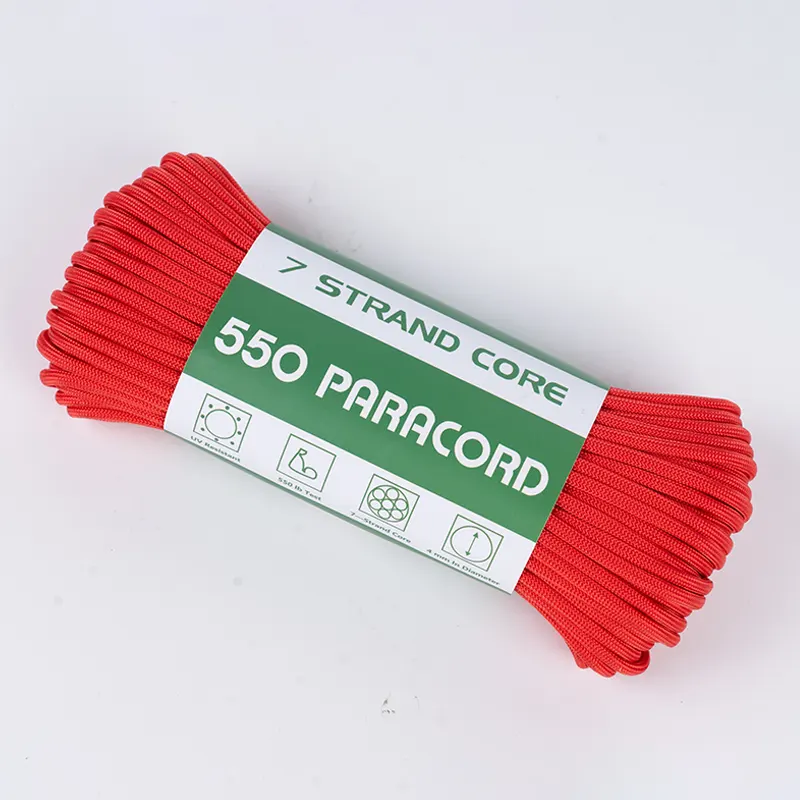
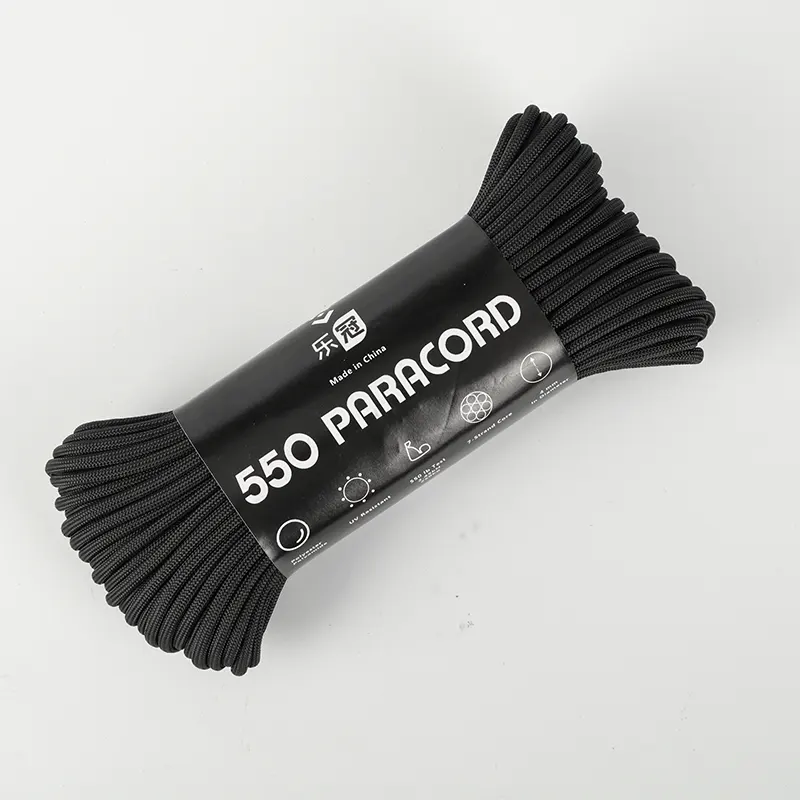
The company's product range includes double-braided polyester Magnet Fishing Rope in different configurations. For example, its 8 mm option uses a double-braided structure intended for applications requiring high strength, low stretch, abrasion resistance, and outdoor durability. A 6 mm option provides a more versatile configuration for magnet fishing and outdoor recovery applications.
For businesses developing a new product line, T&T Outdoor also supports customized specifications such as diameter, length, material, color, packaging, and private labeling. This provides greater flexibility for brands that need products aligned with specific market requirements.
1. What is Magnet Fishing Rope?
Magnet Fishing Rope is a rope designed to connect a fishing magnet to the user during underwater metal recovery activities. It should provide appropriate strength, abrasion resistance, handling characteristics, and environmental durability for the intended application.
2. Is polyester a good material for Magnet Fishing Rope?
Polyester can be a strong choice when low stretch, outdoor durability, UV resistance, and relatively low moisture absorption are important. The exact performance depends on fiber quality, rope construction, diameter, and manufacturing process.
3. What diameter should Magnet Fishing Rope have?
There is no single diameter suitable for every application. The selection should consider magnet size, expected pulling forces, recovery environment, handling requirements, and desired rope length.
4. Why is double-braided rope useful for magnet fishing?
Double-braided construction can combine a braided core with a protective braided cover, providing a useful balance of strength, flexibility, and abrasion resistance for repeated outdoor handling.
5. How long should magnet fishing rope be?
The appropriate length depends on water depth, casting distance, recovery area, transportation, and storage requirements. Users should select enough working length for their typical locations without creating unnecessary handling difficulties.
6. Can Magnet Fishing Rope be customized?
Yes. T&T Outdoor supports customized rope solutions involving specifications such as diameter, length, material, color, packaging, and private labeling.
7. How should magnet fishing rope be stored?
Clean the rope after use, allow it to dry, coil it neatly, and store it in a clean and dry location. Regular inspection is recommended, particularly around high-wear areas and attachment points.
8. Is Magnet Fishing Rope suitable for every recovery task?
No. Rope selection should always match the actual load, magnet, environment, and recovery method. Users should not exceed the manufacturer's stated working limitations or use damaged rope for demanding recovery operations.
9. Does T&T Outdoor supply wholesale Magnet Fishing Rope?
Yes. T&T Outdoor works with wholesalers, distributors, retailers, and outdoor product brands that require standard or customized rope products for commercial applications.
10. Can T&T Outdoor provide private-label Magnet Fishing Rope?
Yes. Customized branding and packaging options can support businesses that want to develop Magnet Fishing Rope under their own product identity.
A successful magnet fishing setup depends on more than the strength of the magnet itself. The rope must transmit pulling force, withstand contact with rough surfaces, remain manageable during casting and retrieval, and tolerate repeated outdoor exposure.
When choosing a Magnet Fishing Rope, pay particular attention to material, diameter, length, braided construction, abrasion resistance, stretch characteristics, and the intended recovery environment. For commercial buyers, consistency and customization should also be considered from the beginning of the sourcing process.
Polyester double-braided rope can be a practical solution for applications where low stretch, outdoor durability, and abrasion resistance are priorities. With the right specification and proper maintenance, a well-designed rope can make magnet fishing more controlled, efficient, and enjoyable.
Whether you need a standard Magnet Fishing Rope for outdoor use or a customized solution for wholesale, distribution, or private-label products, T&T Outdoor can help develop a rope specification around your application. Contact us to discuss your required diameter, length, material, color, packaging, and other product requirements.